
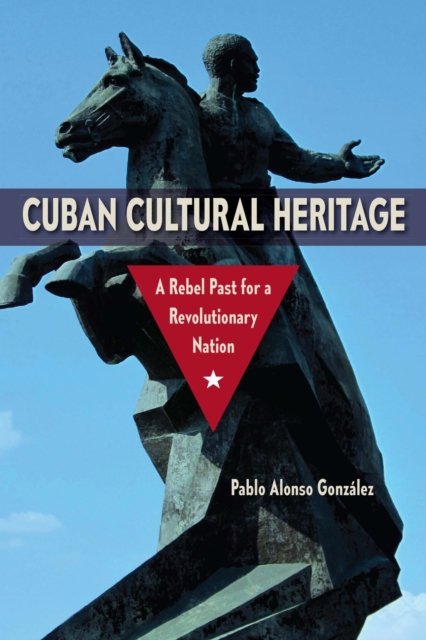
Cuban Cultural Heritage
€52.90
Product Information
| ISBN | 9780813080024 |
|---|---|
| Authors | Pablo Alonso Gonzalez |
| Publisher | University Press of Florida |
| Format | Paperback |
| Number of pages | 352 |
| Weight (kg) | 0.530 |
| Publishing Date | 03/01/2023 |
| Price (excl. tax) | €49.91 |
| Tax | €2.99 |
| Price (incl. tax) | €52.90 |
| Availability | 2 units in external warehouse |
Product Description
The role of cultural heritage and museums in constructing national identity in postcolonial CubaDuring Fidel Castro's rule, Cuban revolutionaries coopted and reinterpreted the previous bourgeois national narrative of Cuba, aligning it with revolutionary ideology through the use of heritage and public symbols. By changing uses of the past in the present, they were able to shift ideologies, power relations, epistemological conceptions, and economic contexts into the Cuba we know today. Cuban Cultural Heritage explores the role that cultural heritage and museums played in the construction of a national identity in postcolonial Cuba. Starting with independence from Spain in 1898 and moving through Cuban-American rapprochement in 2014, Pablo Alonso González illustrates how political and ideological shifts have influenced ideas about heritage and how, in turn, heritage has been used by different social actors to reiterate their status, spread new ideologies, and consolidate political regimes. Unveiling the connections between heritage, power, and ideology, Alonso González delves into the intricacies of Cuban history, covering key issues such as Cuba's cultural and political relationships with Spain, the United States, the Soviet Union, and so-called Third World countries; the complexities of Cuba's status as a postcolonial state; and the potential future paths of the Revolution in the years to come. This volume offers a detailed look at the function and place of cultural heritage under socialist states. A volume in the series Cultural Heritage Studies, edited by Paul A. ShackelPublication of the paperback edition made possible by a Sustaining the Humanities through the American Rescue Plan grant from the National Endowment for the Humanities.